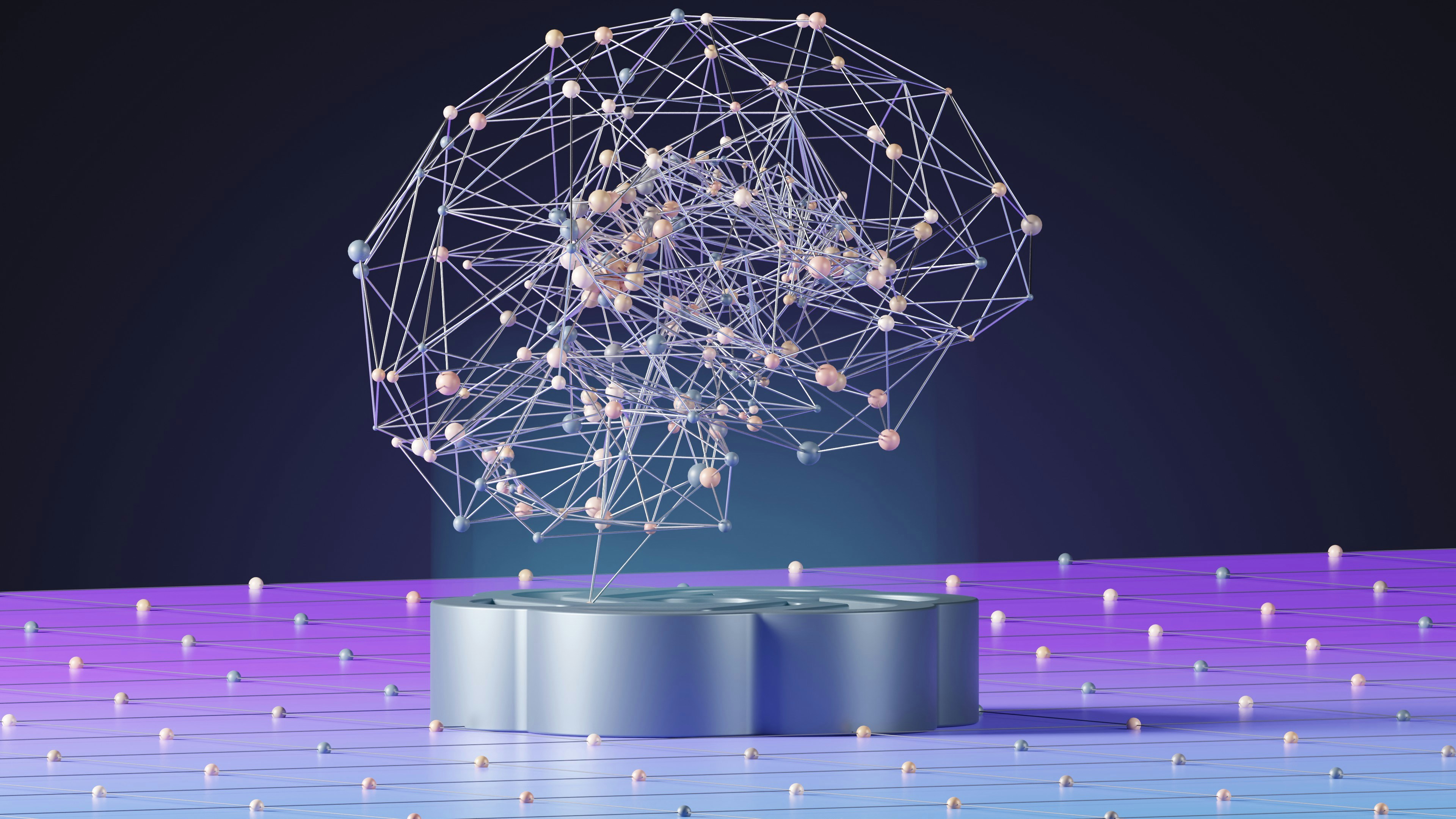
The Future of AI: Transforming Industries
Artificial Intelligence (AI) is rapidly transforming how industries operate, creating new opportunities, improving efficiency, and redefining customer experiences. Here's an overview of how AI is shaping the future across key sectors:
1. Healthcare
- AI Applications: Disease diagnosis (e.g., cancer, heart disease), drug discovery, robotic surgery, personalized treatment plans.
- Future Impact:
- AI-powered imaging and diagnostics will become more accurate than human radiologists.
- Virtual health assistants and chatbots will improve patient engagement.
- Predictive analytics will help prevent disease outbreaks and manage chronic conditions.
2. Manufacturing
- AI Applications: Predictive maintenance, quality control, supply chain optimization, robotics.
- Future Impact:
- Smart factories will use AI to self-optimize production.
- Downtime will be minimized with AI-based failure prediction.
- Customization and 3D printing will become more efficient with AI design assistance.
3. Transportation & Automotive
- AI Applications: Autonomous vehicles, traffic management, logistics planning.
- Future Impact:
- Self-driving cars and trucks will reduce accidents and delivery costs.
- AI will optimize public transportation routes in real time.
- Fleet management will become more intelligent and energy-efficient.
4. Retail
- AI Applications: Customer service (chatbots), personalized recommendations, inventory management.
- Future Impact:
- Hyper-personalized shopping experiences based on customer behavior.
- Smart shelves and AI-driven inventory will reduce waste and out-of-stock issues.
- Virtual try-ons and AI stylists will become common in online shopping.
5. Finance
- AI Applications: Fraud detection, credit scoring, algorithmic trading, chatbots for banking.
- Future Impact:
- Real-time fraud prevention using behavioral biometrics.
- AI advisors for financial planning will become more sophisticated.
- Enhanced risk modeling and compliance automation.
6. Education
- AI Applications: Personalized learning, automated grading, virtual tutors.
- Future Impact:
- AI will offer customized learning paths based on student performance.
- Language translation and speech recognition will make education more accessible globally.
- Teachers will be supported by AI tools for lesson planning and student assessment.
7. Agriculture
- AI Applications: Precision farming, crop monitoring, yield prediction, automated irrigation.
- Future Impact:
- Increased food production efficiency with AI-powered drones and sensors.
- Reduced environmental impact through optimized resource usage.
- Early disease and pest detection through computer vision.
8. Government & Public Sector
- AI Applications: Smart cities, public safety, e-governance.
- Future Impact:
- Predictive policing and resource allocation will improve public safety.
- AI will streamline administrative tasks and citizen services.
- Urban planning will use real-time data for better infrastructure decisions.
Looking Ahead
- AI Ethics & Regulation: As AI becomes more pervasive, ethical considerations—such as data privacy, bias, and accountability—will be central to its development.
- Human-AI Collaboration: Future workplaces will feature humans and AI working together, enhancing productivity and innovation.
- Job Evolution: While some jobs will be displaced, many new roles will emerge in AI development, data analysis, and human oversight.
Here’s a detailed overview of Essential Cybersecurity Practices for Businesses, structured for clarity and usefulness, especially for small to medium-sized enterprises (SMEs) and startups — though it also applies to large corporations.